Collection:

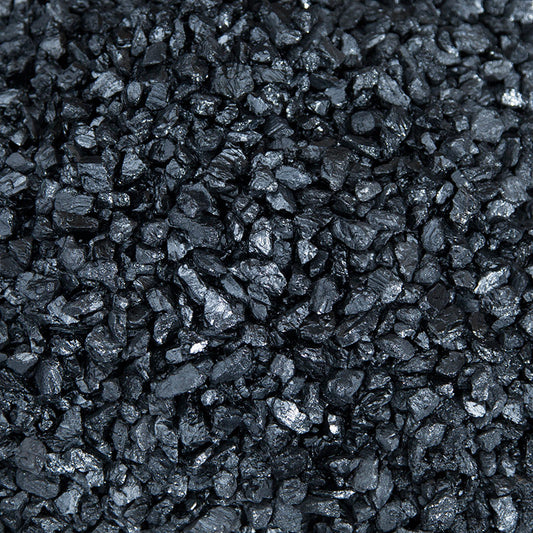
Smokeless Coal Fuel

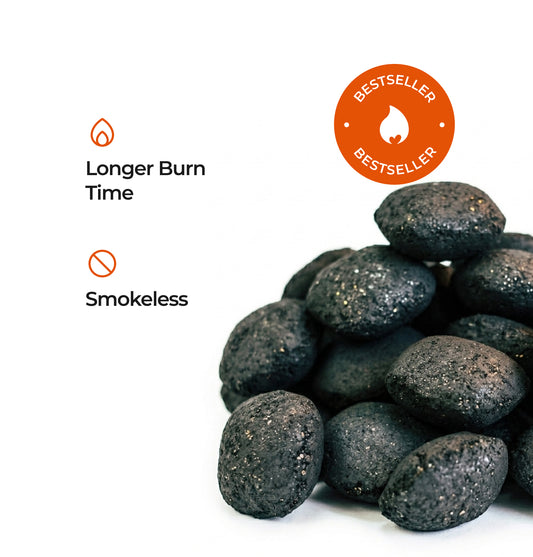
  • Try Brazier Smokeless Coal for our best blend of value and performance

Smokeless Fuel Options to Suit Every Fire

We offer a wide range of smokeless fuel types to suit your specific needs:

  • Brazier – Affordable and reliable for multi-fuel stoves and open fires
  • Taybrite – High-performance, long-burning fuel ideal for closed appliances
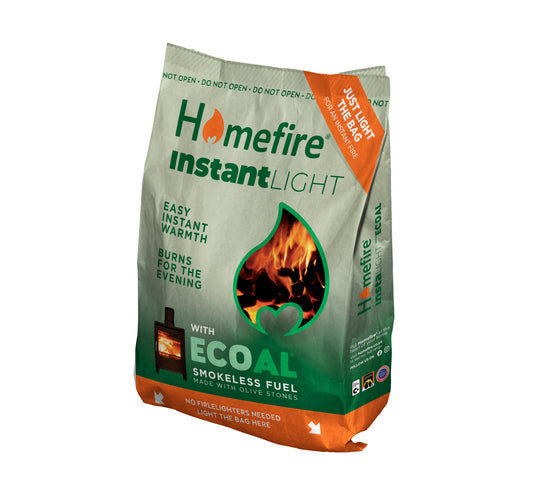
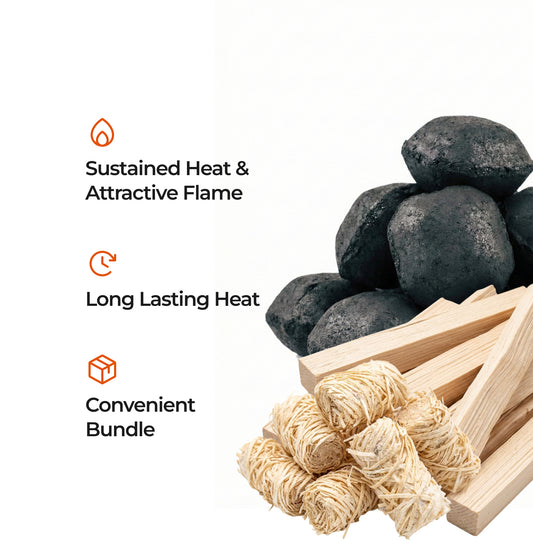
  • Instant Light – Clean, convenient, and easy to use—perfect for quick fires

Convenient Delivery, Direct to Your Door

We make it simple to stock up on smokeless coal fuel without the hassle. All of our products are available in handy-sized bags or bulk options and can be delivered straight to your door. No mess, no fuss, just top-quality fuel ready when you need it.

Frequently Asked Questions

What is smokeless coal?

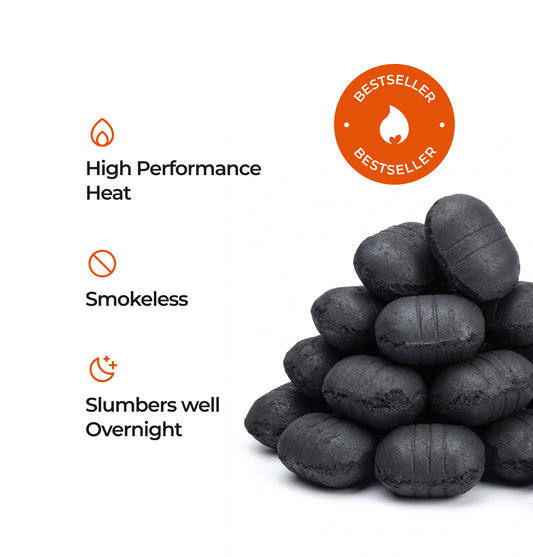
Smokeless coal is a high-carbon, low-volatile solid fuel designed to burn hotter, longer, and cleaner than traditional house coal. At Homefire, our smokeless coal produces 5 times less smoke and 25% less carbon dioxide. It is ideal for enclosed stoves and is compliant with smoke control areas.

How long does smokeless coal burn?

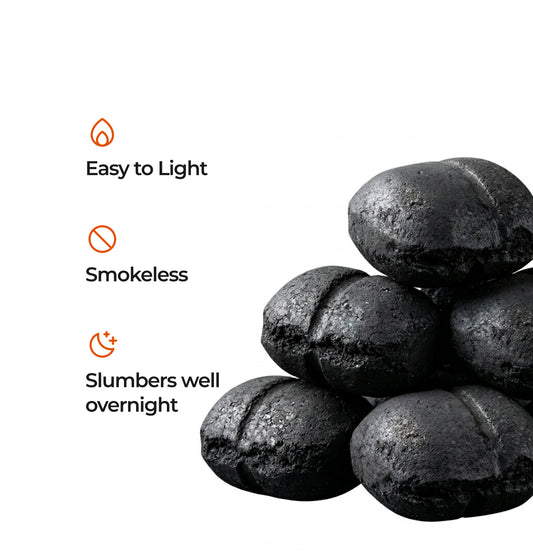
Our smokeless coal typically burns for 5 to 6 hours on a single load. It lasts significantly longer than traditional house coal, making it ideal for overnight burning.

Can you burn coal in a wood stove?

No, you cannot burn coal in a standard wood stove. Wood stoves are designed for lower temperatures and require air from above, whereas coal burns much hotter (up to 1100 °C) and requires air from below, along with a grate system. Using coal can damage or warp a wood stove, cause fatal carbon monoxide buildup, and ruin the chimney. 

Is smokeless fuel bad for the environment?

Smokeless fuel is better for local air quality than traditional house coal. Homefire smokeless coal emits 5 times less smoke and 25% less carbon dioxide. While it is a cleaner alternative, it still releases greenhouse gases.

What are the different types of coal?

There are several types of coal, each formed under different conditions and suited to different uses:

  • Bituminous Coal - A dense, sedimentary coal formed from compressed lignite. Commonly used in briquettes and power stations, but not ideal for domestic use due to its higher emissions. 
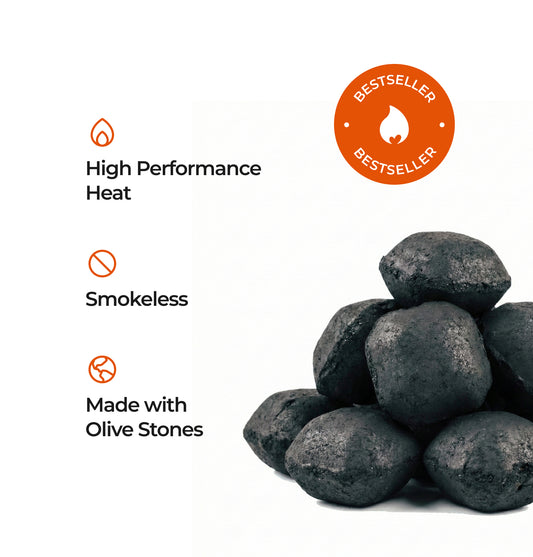
  • Anthracite - The highest-ranking, hardest, and densest of coals. Naturally smokeless and burns with intense heat and long duration. Highly efficient and eco-friendlier for home fires. At Homefire, products like Ecoal blend anthracite with crushed olive stones to boost sustainability. 
  • Smokeless Coal - Manufactured blends designed for clean burning and approved for use in smoke-controlled areas. Burns longer and cleaner than traditional coal, great for multi-fuel stoves.

Can coal go bad, mouldy, or get wet?

Yes, coal and coal-based fuels can get wet and develop mold, but they do not typically "go bad" in the way organic food does. If stored properly, coal can last for 1-2 years. However, improper storage can lead to issues with burning efficiency, mold, or structural degradation.

Is it safe to use mouldy or wet charcoal?

Yes, it is generally safe to use charcoal that has become wet or developed mould. Once ignited, the heat from the fire will destroy any mould or spores, ensuring safe combustion.

What is the best smokeless fuel for a fire pit?

For a clean, efficient burn with minimal smoke, Homefire Ecoal, Newheat Briquettes, Cosyglo, kiln-dried logs, and Heat Logs are all excellent choices. 

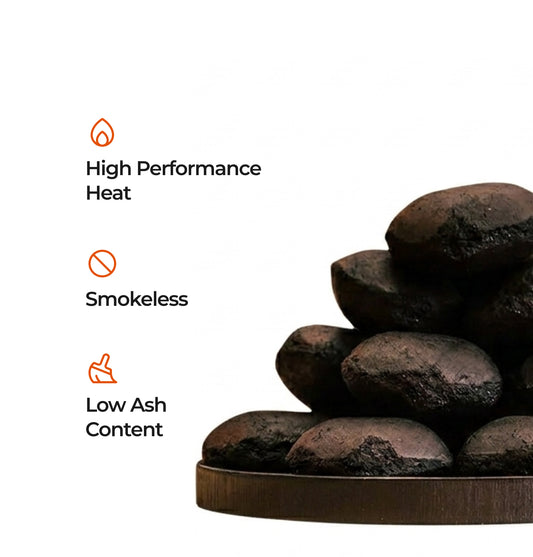
  • Homefire Ovals - If heat is what you’re looking for, ovals reach temperatures 20% higher than traditional coal, meaning that the most efficient type of coal for an open fire. 
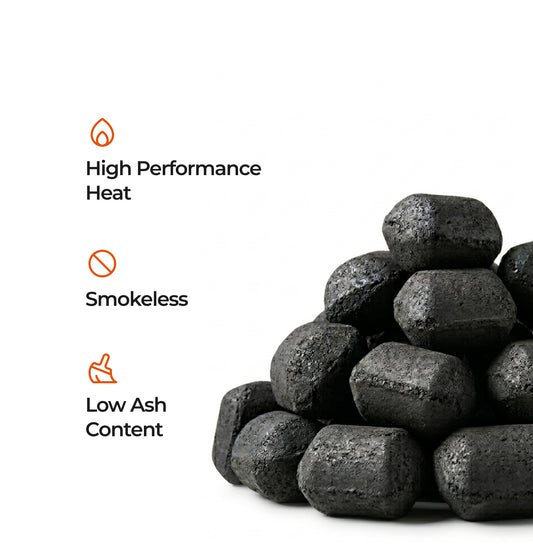
  • Smokeless Coal - If you’re looking for minimal cleanup, smokeless coal leaves behind minimal ash, meaning less time cleaning up and more time enjoying your firepit.
  • Brazier Smokeless Coal - For long gatherings around the open fire, Brazier coal burns 40% longer than traditional coal.