

Are Wood Burners Being Banned? The Experts Respond
Rumours of a UK-wide ban on wood-burning stoves have left many homeowners worried that their stoves could suddenly become illegal. The truth is far less dramatic, but the Government is taking action to tackle air pollution from domestic fires.
Heating experts and smokeless fuel suppliers, Homefire have responded to the speculation, explaining what the proposals actually mean for homeowners.
The current consultation focuses on stricter standards for new stoves and on promoting cleaner fuels, rather than outlawing existing wood-burning stoves.
What the Proposed Changes Actually Mean
Under the proposals, manufacturers could face stricter requirements when selling wood-burning stoves in the future, particularly older models that produce higher levels of emissions. There are also discussions about strengthening rules in Smoke Control Areas, where certain fuels are already restricted.
Importantly, existing stoves are not expected to be banned or removed, meaning households that already use a wood burner are unlikely to be forced to stop using them. Instead, the focus is on reducing emissions from domestic burning by improving both appliances and fuels.
What the Government’s Environmental Improvement Plan Includes
The updated Environmental Improvement Plan sets out a broad strategy to improve the UK’s environment, including cleaner air, restored nature and reduced pollution. The Government has strengthened its target to cut concentrations of PM2.5, fine particulate matter linked to asthma, lung disease and heart problems, by 30% by 2030 compared with 2018 levels, a more ambitious goal than under the previous plan.
As part of this strategy, ministers have launched a public consultation on policies to reduce emissions from households burning wood and manufactured solid fuels, such as coal and briquettes, in stoves and fireplaces.
Draft proposals include new emission limits for stoves, mandatory labelling schemes to help buyers understand how clean an appliance or fuel is, and potentially new penalties for breaching emissions rules.
Officials have said any future changes will be designed to minimise the impact on households who rely on solid fuel heating, while giving people clearer information about how to reduce smoke and particulate emissions from domestic burning.
Why Domestic Burning Is Being Looked At
Domestic burning contributes significantly to PM2.5 emissions, tiny particles that can enter the lungs and bloodstream. According to Government figures, around one fifth of PM2.5 emissions in the UK come from domestic combustion, including wood burners, fireplaces and other solid fuel heating.
Cleaner Fuels Are a Simple Way to Reduce Emissions
One of the simplest ways to reduce emissions from a stove or fireplace is by switching to cleaner fuels.
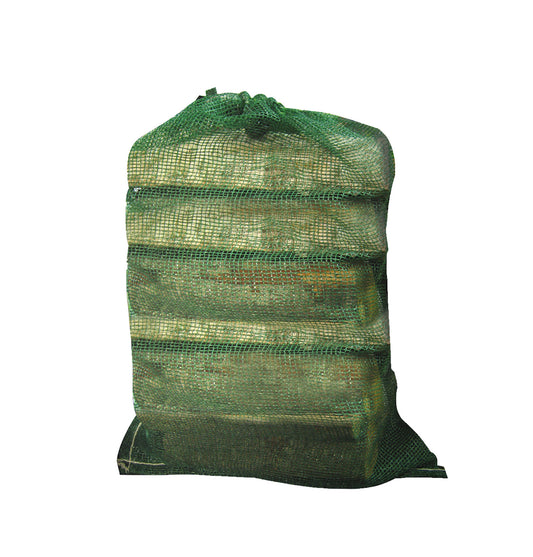
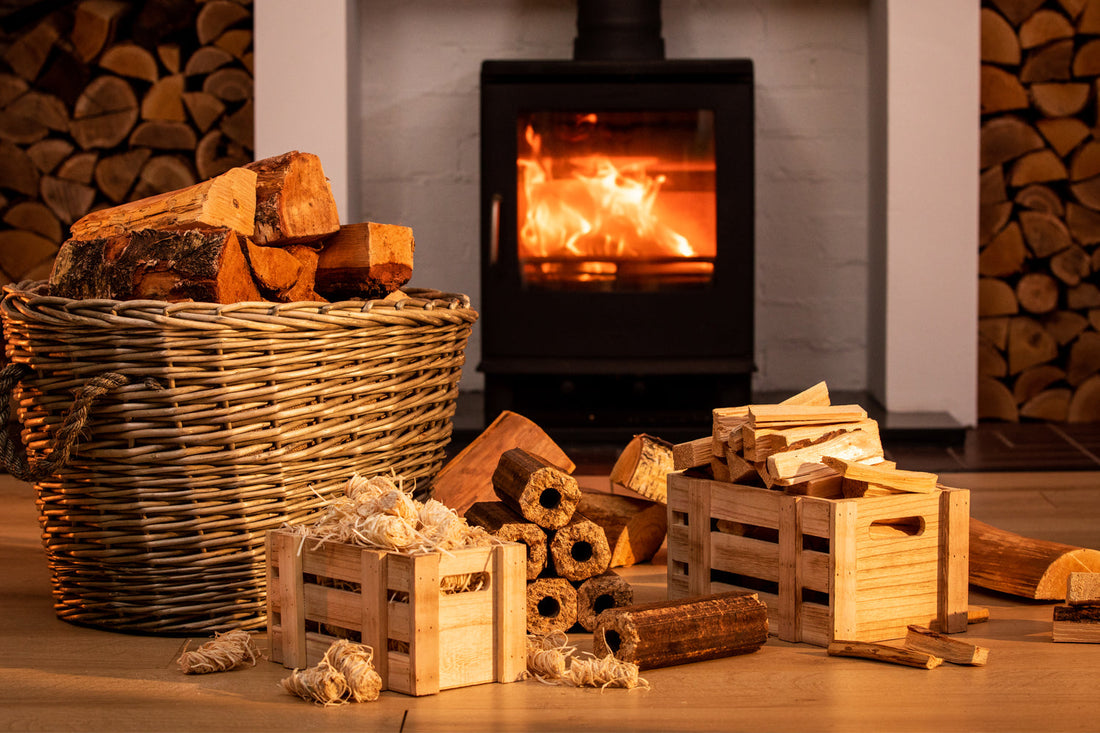
Using kiln-dried firewood or approved smokeless fuels can dramatically cut smoke and particulate emissions compared with wet wood or traditional house coal. Kiln-dried logs contain much less moisture, allowing them to burn hotter and more efficiently, while smokeless fuels are designed to provide consistent heat with significantly lower smoke output.
Homefire has long encouraged households to make the switch, offering a wide range of Ready to Burn certified kiln-dried logs and smokeless fuels that are PM2.5 compliant and designed to burn more cleanly, reducing particulate pollution. For example, Homefire Smokeless Coal produces around five times less smoke and around 25% less carbon dioxide than traditional house coal, helping households reduce emissions while still enjoying the warmth of a real fire.
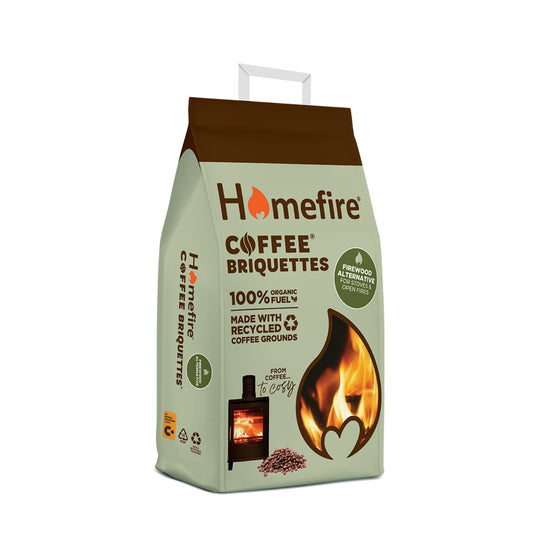
For households seeking alternatives, Homefire Ecoal and Coffee Briquettes also offer lower-smoke options that provide consistent heat. Choosing the right fuel can significantly improve efficiency, safety, and air quality while still allowing homeowners to enjoy the comfort of a real fire.
Responsible Burning for Homeowners
To enjoy a wood burner safely and reduce pollution, experts recommend:
- Use dry, kiln-dried wood or Ready to Burn certified fuels whenever possible
- Avoid burning wet, treated or painted wood
- Use approved smokeless fuels in Smoke Control Areas
- Maintain stoves and chimneys regularly to ensure efficient burning
- Burn smaller, hotter fires rather than letting logs smoulder
- Follow local Smoke Control Area rules to stay compliant
By following these simple steps, households can continue to enjoy the warmth of a real fire while reducing their environmental impact.
Enjoying Your Wood Burner Responsibly
While rumours of a wood-burner ban have caused concern, the current Government consultation focuses on stricter emissions standards and cleaner fuels, not on outlawing existing stoves.
For homeowners, the takeaway is clear. Burn smarter, choose the right fuel, and maintain your stove. Doing so supports cleaner air while keeping the tradition of real fires alive, a message that Homefire has championed for years.